Home > Custom Shop > Tone Woods

Exotic Guitar Tone Woods

Suitable for Fine Handmade Handcrafted Guitars
Ed Roman Offers the Largest Selection of Exotic Tone Woods 
For Guitars In The World

Alaskan Sitka Spruce  Alder Ash (Swamp) Bajoran,  Palisander 
Basswood  Birch Bocote Boire
  Bloodwood Bubinga Buckeye Burl
Burls Assorted Cedar   (Variations) Che Chin  Cherry   
Cocobolo Cohagerie   Ebony, Macassar
Ebony, Gaboon Elm, Carpathian Burl Goncalva Alves Grenadillo
Koa (Hawaiian) Korina, Black (Limba) Lacewood, Silky Oak Madrone Quilted
Maple Birdseye Maple,   Flame Mahogany, Honduras Maple Burl
Maple, Quilted Maple,   Spalted Martian, Redwood  Mesquite
Morado Pau Ferro Poplar Pterocarpus Burl
Purple Heart Paduak, Vermillion Rosewood, Brazilian Rosewood, East Indian
Rosewood Caribbean Rosewood Bolivian
Pink Ivory Sapele,  Highly Figured Schedua Sycamore 
Spruce Tops On Electrics Tasmanian Blackwood  Tulipwood
Walnut, Figured Claro Wenge Zebrawood Ziricote 

Old Wood

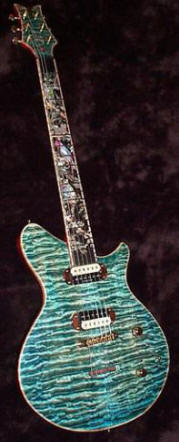
Guitar hand built in Ed Roman's Custom Shop 2005


Quicksilver Custom Built For Mike Clifford In Las Vegas
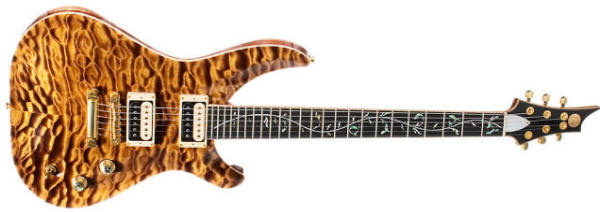
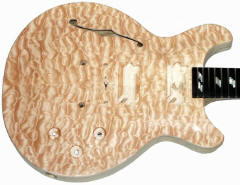
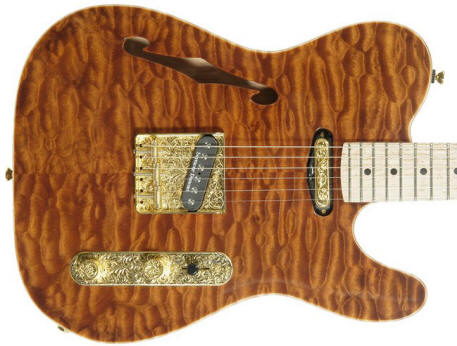
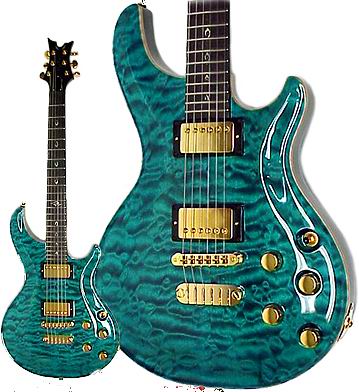
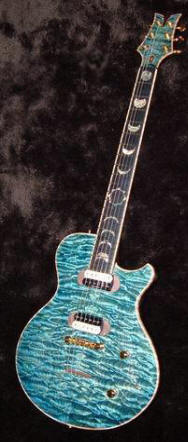
Spectacular Quilted Maple Top
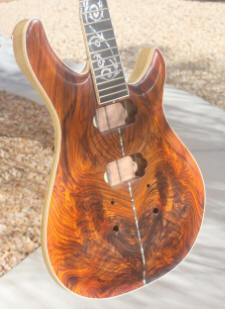

Gary Jacobs Guitar, Flamed Maple Chevron, Las Vegas @ Ed Roman Guitars

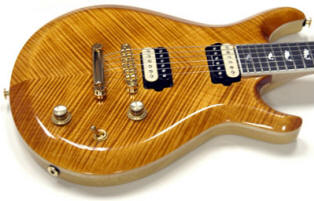
Flame Top Avanti Guitar


Quilted Maple, Jaros Guitar   Jaros Guitar, Black Korina Body,
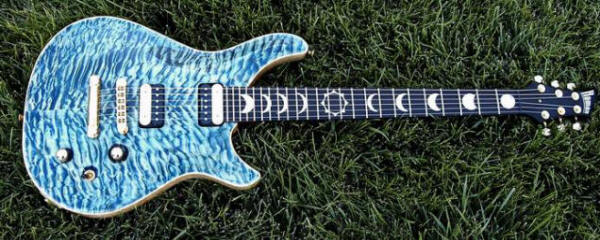
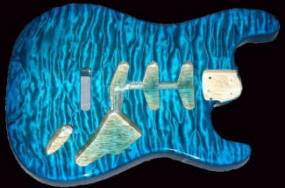
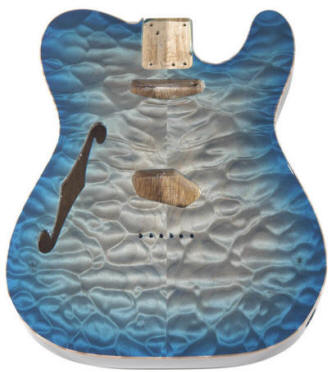
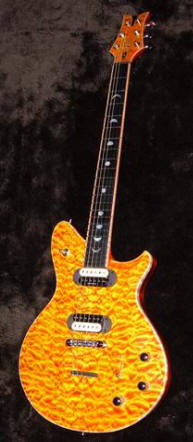
Quilted Maple  
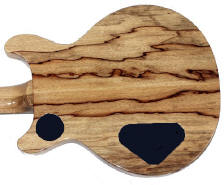
Highly Figure Korina Back and Neck


Pearlcaster's & Magic Twanger's

A Word About Ed Roman's Wood Prices

If our wood prices seem high
there are some very important facts you need to know!!

Ed Roman's Prices Are Less Than Half Of What Alembic Charges !!!!
The Quality of Ed's Roman's Wood Is The Absolute Best Quality In The World!!!!
 What PRS Calls A 10 top Is Quite Nice, But It Does Not Compare To Ed Roman Medallion Grade !!!
No Expense Is Spared To Buy The Absolute Finest Tonewoods That Can Be Found Anywhere!!!!
No Other Guitar Manufacturer Anywhere In The World Offers As Many Different Wood Choices!!!
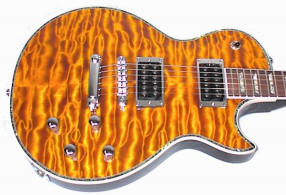

Custom Les Paul Guitar Like No One else has anywhere, Available @ Ed Roman Guitars in Beautiful Las Vegas.
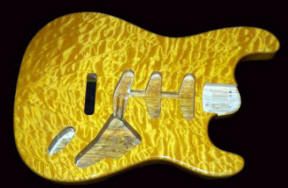
Medallion Grade Quilted Maple

In the past 20 years I have sold beautiful tone woods to many guitar manufacturers when they wanted something extremely nice for a special customer. 

I specialize in many different rare specimens. The wood list above will give you an idea as to what I have in stock. I generally have a selection of almost everything on the list. 

I am always looking for new and strange examples of different species.

Recently I have been experimenting with Redwood & Giant Sequoia, I have found the wood both beautiful & extremely resonant sounding.

I generally hand-pick every single piece of wood that I buy. I select each piece for tone and beauty and I spare no expense to buy the absolute finest wood I can find.

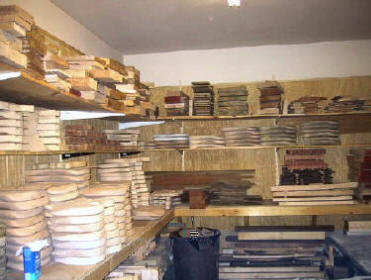
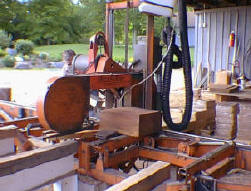
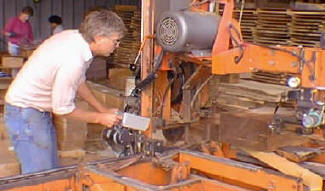
I make several trips a year to the Pacific Northwest and  I actually visit the sawmills. Sometimes I only buy one or two pieces in a day, and as you can imagine this drives the price up. If you get to see the woods I have stockpiled in my wood room though, you will be knocked out!

Maple is a strong and extremely dense, heavy wood. It is excellent for guitar necks and bodies because it can handle an inordinate amount of string tension. Maple has a bright and crisp tone and is used on flamenco guitars as well as some electrics. It has a wide variety of exotic grains that show up quite well when finished. Flamed maple is a very popular and brilliant looking exotic type of maple. "Flamed" refers to the rippling, or curls of the grain of wood that run across the body. Flamed maple is generally "book matched," which means that the body is made of two half pieces of a single cut piece of maple. This gives the guitar even weight, look and tone throughout the body.


This Gunstock would sell for $2,995.00 at any quality Gun Shop
Maybe I'm In The Wrong Business !!

 
Occasionally We Will Do A Custom Gunstock.


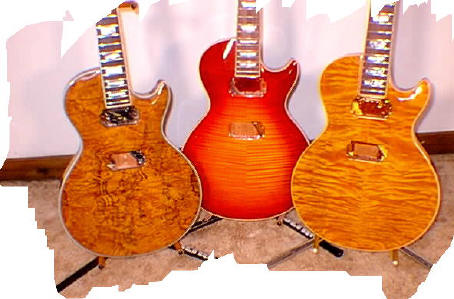
Gibson's Retopped in our shop
Left  5A Burley Maple  ---  Middle  4A Flamed Maple ---  Right 4A Quilt/Flame Maple
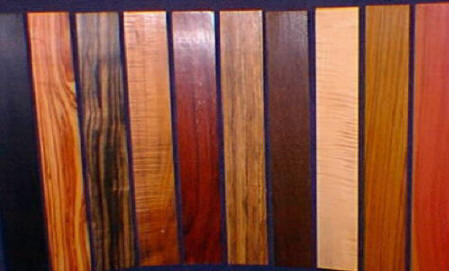

Assorted Blank Fingerboards

I have Solid Brazilian Rosewood Neck Blanks for $400.00 just like PRS used on their $9,000.00 Rosewood Ltd. Model   (I buy them from the same supplier that PRS buys from) I also have solid Ebony & African Rosewood necks available.
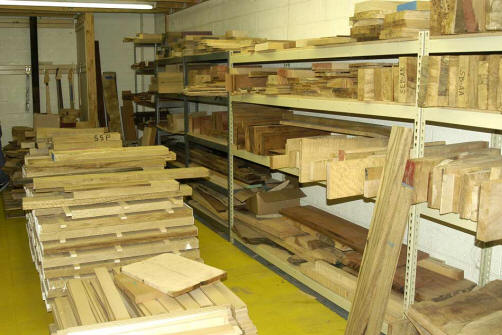

If you would like to make an appointment to get together
to pick out a special piece of wood for an electric guitar please call me.
Ed Roman      702-875-4552


Click Here for Worlds Best Guitars


Building A Better Guitar
By Ed Roman   

When I set out to build a better traditional type guitar,  I had several problems. These problems were John Suhr,  Tom Anderson,  Gerard Melancon, Don Grosh, Gary Levinson.

These people were already building guitars that were heads and tails better than anything any large corporation ever did.  I couldn't just build it a little better. I had to build it much better than the luthiers listed in the above paragraph.

I had to use better wood, better pickups, better hardware, I had to make tighter neck joints, get a higher reach, get even closer tolerances, offer more options and do better setups, and because I was the new kid on the block I had to do it for less money.  Click Here for the Whole Article.

Wood is one of the largest determining factors of a guitar's sound and longevity. Specific woods used to build guitars, acoustic and electric, are called Tone woods. Tone woods have resonant properties that other woods do not. For example, oak is a beautiful and strong wood, but it has no resonant properties, which would not be best for guitar building.


 Pearlcaster Area In Our Shop

  Ziricote  Pegasus


 Raw Chunk of Koa Wood


Standard Woods In Use By Most Companies

Mahogany
Mahogany is a moderately dense and very durable wood. It is commonly used for the backs, sides and necks of acoustic guitars. It is sometimes used on electric guitar bodies and necks. Because it is very sonorous and durable, mahogany is also used in banjos, resonators, ukuleles and acoustic guitar soundboards. It is lighter than maple and specifically provides acoustic guitars with great sustain. Mahogany also provides great weight balance between the neck and the body of an acoustic. It is reddish-brown in color and is incredibly strong and resonant, giving the guitar big, beautiful tones.

We don't use to much mahogany at Ed Roman's simply because we are known as an exotic builder. People generally expect something a little more exotic from us.

Koa Wood
Koa is a gorgeous wood with well defined curly and flamed grain patterns as found in instrument quality Maple. It falls in the middle of the tonal spectrum, giving the instrument a brightness of tone without sacrificing warmth. It is slightly less round in tone than the rosewoods. We have been building custom Koa guitars for close to 20 years.

Alder
We find that alder has the richest tone, characterized by lots of fat low-end, well defined mid ranges and a lot of sustain. Alder is a light wood, which makes it more comfortable for lengthy gigs. It is one of the original woods used for solid body guitars. Although other manufacturers use woods like poplar and basswood, they are considered alder substitutes. We don't use to much Alder at Ed Roman's simply because we are known as an exotic builder. People generally expect something a little more exotic from us  

Solid Alder
Solid Alder is a fairly light and incredibly resilient wood that is a favorite amongst electric guitar makers. It is a close-grained wood with a naturally light tan color. Alder is mostly used for electric guitar bodybuilding because of its full sound, great sustain and density. It is a porous wood that takes quite well to a variety of finishes. This gives the guitar a richer sound because the solid wood soundboard can vibrate more freely & thoroughly.

Spruce
Spruce is the most commonly used wood on acoustic guitar soundboards. The soundboards on acoustics are generally made of tightly grained spruce. Naturally yellow in color, spruce is a lightwood that has a very high degree of resonance, so it is a perfect match for acoustic guitars.

Solid Spruce
Solid spruce refers less to a difference in the wood than to how it is actually cut for the guitar. Laminate spruce soundboards are built as layers of cross-grained wood glued to each other. Solid spruce soundboards consist of one piece of wood running all the way through. This gives the guitar a richer sound because the solid wood soundboard can vibrate more freely and thoroughly.

Canadian Sitka Spruce
is a harder to find, more expensive variety of spruce. It has a light yellow color and is also used for acoustic guitar soundboards. It gives guitars a bigger more resonant sound, flush with crisp highs. It also improves with age more than other types of spruce.

German Spruce
This increasingly rare wood has a higher weight to strength ratio than Sitka and correspondingly complements the brightness and clarity of the guitars.

Maple
Maple is a strong and extremely dense, heavy wood. It is excellent for guitar necks and bodies because it can handle an inordinate amount of string tension. Maple has a bright and crisp tone and is used on flamenco guitars as well as some electrics. It has a wide variety of exotic grains that show up quite well when finished. Flamed maple is a very popular and brilliant looking exotic type of maple. "Flamed" refers to the rippling, or curls of the grain of wood that run across the body. Flamed maple in generally "book matched," which means that the body is made of two half pieces of a single cut piece of maple. This gives the guitar even weight, look and tone throughout the body.

Cedar
Many companies use Cedar or some type of redwood specifically for finger style instruments as it responds quickly and with good volume to a light attack. It is also very well suited to open or lowered tension tunings as they require the same qualities for good separation and definition. Cedar does lose tonal integrity when over driven, making it a poor choice for versatility but an excellent top wood for showcasing finger styles.

Brazilian Rosewood
Highly sought after by generations of luthiers and players for its unmatched beauty. Brazilian helps to impart warmth and darkness to the tone of the guitar. Tonal differences between Brazilian and Indian Rosewoods are subtle and consideration should be based on aesthetics, rarity, future value, and collectibility.

East Indian Rosewood
Like Brazilian, Indian Rosewood keeps the guitar at the warm dark end of the tonal spectrum. While not as visually striking as Brazilian, Indian Rosewood has an elegant appearance and should not be considered inferior to Brazilian on any account. Just the same we never ever use it !!!!   For fingerboards we use ebony, pau ferro or at very least Madagascar rosewood which is much more stunning than the plain old Indian rosewood.

Nato
Nato wood, also known as Eastern Mahogany, is a reliable, strong wood used on low cost guitar necks. It is a value-priced wood used more for beginner instruments. However, it still embodies some of the properties of more commonly used mahogany. While we would never use this wood on one of our custom guitars, We do carry several low end $100.00 & $200.00 guitars that are made from it.


JET Guitars are not cheap  they usually run from $4,500.00 to $9,000.00
But They Are Worth Every Penny
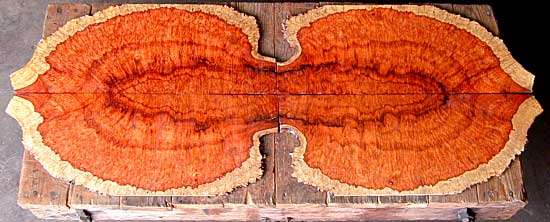


A piece of wood like above can cost well over $4,000.00


These Photos From The PRS Factory

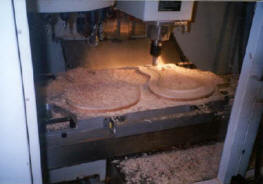
You are looking at a CNC machine

Computer Numerically Controlled


All of the delicate cutting operations are done by $85,000.00 machine. All of the shaping, sanding, binding & fitting is robotically accomplished. There are no human hands, no human eyes to line up the wood perfectly so that imperfections in the wood fall into locations that won't be seen later.

There is nothing illegal about building a guitar with a machine.  I feel, it's totally unethical and immoral to charge the extremely high hand made prices. just because you made your original reputation by building handmade guitars.

Most every large company is guilty of this, I can think of very few large companies who still actually handbuild their guitars.

BC Rich USA,  Jackson Custom Shop, & maybe the PRS private stock guitars are semi hand built. These are all I can think of, off the top of my head.  I repeat, There is nothing wrong with CNC made guitars except that they are usually overpriced and under built. They generally lack a certain vibe, soul or character that can only be achieved from a hand built guitar. Not everyone can necessarily benefit from these detailed characteristics, So that's why a custom made hand built guitar isn't for everyone.  I always recommend a mid priced machine made Fender, Jackson, Dean, OLP, Hamer, or  Ibanez for a beginner or for the working musician who needs a good low cost guitar.  A custom made guitar is not for everyone. When and if, you finally decide to get a custom made instrument, you cross the threshold between good & great. Today a machine made guitar is considered a tool and a handmade one is potentially an heirloom or an investment guitar.

The worst offenders that I can think of is ESP, Lakland, Gibson & Taylor.  Many people assume that these companies are hand building.  The ESP guitars are totally machine made in Asia and priced incredibly high. The Lakland guitars offer a USA made and an Asian made model, Both are so unbelievably overpriced that It should be a crime. Gibson guitars are well known for being overpriced by everyone, I feel that their machine made guitars are overpriced so much that even if they were handmade they are still incredibly overpriced.  In the case of Taylor, they are also machine made and if you pay attention to their ridiculous image based advertising campaign you might think they were handmade. NOT!!!!!!

PRS on the other hand has publicly stated that they are %100 machine made. (Kudos For Honesty) Up until a couple of years ago they actually used to be proud of it, They even boasted about it. Today the consumer isn't as stupid as they used to be, thanks to people who print these little exposé's on their websites. Today PRS doesn't call too much attention to it and in their last catalog they show numerous photos of craftsmen actually carving guitars. I presume those guitars are their private stock models, I know they are not the models you will see when you walk into a big box store or corporate superstore.

Tom Anderson says he builds three guitars a day, that may be %100 true. Or is this just a clever way to possibly make the consumer think they are handmade. Because Tom has CNC machinery and if he wanted to he could produce many more guitars a day.

This whole article was prompted by a customer who attempted to trade in a plain black blah looking Sadowsky NYC Bass earlier today. 

I offered the customer what I considered to be a very generous trade in, I actually offered him way too much by my standard, $2,000.00 because I had heard that these basses were pretty good.

When he told me he wanted $3,500.00 for the bass I was appalled. This instrument is made from parts & constructed almost exactly like a Fender. The customer went on to tell me that the electronics were amazing. I played the bass, I had to agree the electronics were great. However I know that once an electronic circuit is designed you can copy it exactly for less than $10.00 each. I also like the way the bass played & felt. I just could not wrap myself around the price.

I did about 15 minutes of research and I was able to determine who builds the bodies, necks, bridge, tuners & pickups.  My own production made machine made low end "Lowrider" model bass can be bought brand new for about $2,700.00 cheaper. Coincidentally the components are all exactly the same.  (With exception of his proprietary electronic circuit)

Now I'm not claiming my bass is better, I'm not claiming anything. I'm just trying to make a point about overpricing... (You No Longer Get What You Pay For !!! & That's A Cold Hard Fact)

We have in our inventory  at least 2 Fender Basses with Sadowsky's $250.00 electronics built in should we charge $250.00 more or should we charge $2,500.00 more  (Think about it)

Ed Roman


 More Deprogramming From Ed Roman
Please read what I have written below with an open mind 

There Are 2 Major Cliché's That Are No Longer True In The Guitar Business

1. You Get What You Pay For!!!!

It's painfully obvious to me or to anyone who is not intellectually challenged that today many large corporations use this tired old cliché to their financial advantage. They are constantly pricing guitars at extremely high prices, so that consumers will think they are actually handmade well built instruments.

I first learned this fact back in 1991, I was employed by Gibson Guitars. The president of Gibson, Henry Juszkiewicz made this statement to me. "The higher the price the better the guitar" "or at least that will be the customers perception". 

This may have backfired a little on him, due to the fact that this artificial perception, that a production made guitar has to be so expensive, has made it possible for custom builders like, Myself, JET, Gledura, Jaros, Benedetto, McPherson, Dingwall, & Alembic to flourish. Simply because most intelligent people, would rather have a custom guitar. Especially if they could buy it for the same price or less than a machine made production instrument.

2. It's Just Too Good To Be True!!!!

That's another Bulls&%t Cliché, The Man & all the large corporations want to instill in your mind.  (Don't you believe that for even one second !!!!!!!!)

A tribe isn't a tribe unless it has one Chief & many Indians. 
The Chief is nothing without Indians!!

The question you must ask yourself your whole life is "Am I A Chief,  Or Am I An Indian"

The Indian will believe the old "It's too good to be true" adage and go back to smoking his peace pipe. The Chief will just go for it. There lies the inherent difference.

Some people play original music, They are known as innovators, Some people play only cover tunes, In Vegas they are known as Lounge Bands.

Now that doesn't make these people bad people, But it doesn't make them Chief's either !!!!
Hell, I like to play cover music myself, I do it for fun !!!

Ed Roman
06/17/05

Monkey See Monkey Do
The monkey will play the same guitar as all the other monkeys will !!!!


Birch

Laminated Birch consists of 1/32" layers of Birch wood which is bonded with epoxy under high pressure into a composite material. This material is remarkably tough and strong for its weight. It is denser than Birch, but not excessively heavy. It is extremely stiff, and it's composite nature tends to even out its frequency response, alleviating "dead spots" inherent in single-piece necks. It is dark gray and in color, with alternating dark and light layers.

Weight: 47
Grain: generally straight but sometimes found as wavy or curly grain.
Figure: the sapwood is a cream colored tan. The heartwood is a light brown. Slight streaks of a darker color show from grain pattern.
Texture: medium and uniform, slightly on the brittle side.
Properties: an easy wood to work, with hand and power tools. Cuts clean and finishes to a smooth surface. The wood is very tough and flexible, once bent it will hold its shape.
Use: prime use is for framing, hull timbering and bent hull members such as deck clamps.


Blackwood; African (Grenadillo)

This is the most common wood for the orchestral woodwinds. The tonal quality is bright and stays clear and direct over the flute's full range. 

Black with a marble like figure of dark purple and charcoal gray. 


Boxwood

Boxwood has been used for centuries for making woodwind instruments. It has a bright, sweet quality that can also be made rich and colorful by the player. 

Weight: 70
Grain: straight
Figure: an even straw yellow color.
Texture: ultra fine and uniform.
Properties: dense and hard. Finishes to a polished surface. Excellent machining properties. The wood will hold a clean sharp edge. Working with hand or carving tools is slow going due to the hardness of the wood.
Use: for all aspects of model work from fine tuned pieces to timbering. A little stiff, but with some care, the wood makes nice looking planking. 


Source: Woodwriteltd.com, November 1998
Bubinga


This African import is a very heavy Rosewood, but some customers like it for solid body guitars.  Actually it's not a Rosewood because it's not in the Dalbergia Family, Some people try to pass it off as Rosewood.

Most of the material that begot the perception of quality in the rose wood family is now long gone old growth trees, so perhaps it's time to reevaluate our preferences. By the way, the publics desire for rose woods has also motivated manufactures to fib from time to time. Pau Ferro is not a rose wood, but is easily passed off as one. Bubinga is passed off as Chinese Rose wood even though it is not of the rose wood genus. 

A very stiff strong wood with a rusty brown color. Bright midrange and bass tones. 

From Africa; Gabon, Cameroon, Zaire, Equatorial Guinea, Congo, Liberia and Nigeria.
Color is medium red-brown, with lighter red to purple veins. The grain is typically straight. Fine pores are diffused throughout the wood, which often contain a reddish gum. Texture is usually medium, and surface is highly lustrous. Excellent polishing qualities.
Common uses included boat building, fine furniture, tool handles, figured veneer, flooring, and handles.
Specific Gravity is .88 (very dense). Turns well.  Salmon pink with streaks of brown.


Cedar; Alaskan (Cedar; Yellow)

Weight: 31
Grain: is always straight
Figure: is an even sulfur color with no distinctive pattern
Texture: fine and uniform
Properties: for a soft wood, Yellow Cedar is quite heavy with a density about the same as Cherry. A very stable wood and it holds it shape with no shrinkage. This wood is exceptionally easy to work, turns well on a lathe, finishes smooth and carves well. Easy to glue. A durable wood resistant to decay.
Use: masting and spars, deck and hull planking, hull timbering and carvings. A good wood where a hand cutting joinery is used. 


Source: Woodwriteltd.com, November 1998
Cedar; Aromatic
 

Guitar tops of Red Cedar are the Best Buy today. Material is very fine with good prices in the market. 

From the United States and Canada.
The color is light reddish brown, purplish or rose-red, usually with streaks of lighter colored sapwood. Grain is fine and even and texture is usually fine and takes a high polish. Has a characteristic mild pencil-cedar odor and taste.
Common uses include chests, interior trim, novelties, pencils, posts, wardrobes, woodenware, fine furniture, foundation posts, moldings and wainscoting.
Specific Gravity is .47 (medium density). Responds well to turning, but some crumbling is reported. 


Cedar; Spanish

Spanish Cedar is the Cedrela species from the Family Meliaceae (same family as Honduran Mahogany). Cedrela occurs from Mexico to Argentina and is found in all countries except Chile. Heartwood pinkish- to reddish brown when freshly cut, becoming red or dark reddish brown, sometimes with a purplish tinge. Grain usually straight, sometimes interlocked; texture rather fine and uniform to coarse and uneven; luster medium to high and golden; distinctive cedary odor. Specific gravity variable ranging from 0.30 to 0.60, averaging about 0.40; Easy to air-season or kiln-dry, slight warp with little or no checking. Movement in service rated as small. Spanish Cedar is easy to work with hand and machine tools and has good gluing properties; stains and finishes well.
Spanish Cedar is favored for millwork, cabinets, fine furniture, cigar wrappers, and cigar boxes. It is especially popular in boat building, because of its resistance to rotting. It is used in musical instruments for nylon string classical and flamenco guitars, because while similar in appearance, strength and workability to Mahogany, it is considerably lighter. We use it for that reason on our light weight instruments, weighing about a pound less than a similar Mahogany bodied instrument. 


Chechen/Chechin?

[Chechen:] Used for tops and fingerboards by Modulus; harvested in Mexico.  

[Chechin:] Marble like figure of shades of reds and maroons. 


Source: Woodwriteltd.com, November 1998
Cherry
 
From the United States, Switzerland and Canada.
The popularity of cherry in the furniture market is reported to have increased over the years because of its warmth, personality, and ease of use. The narrow sapwood is whitish to reddish brown or creamy pink. The heartwood varies in color from reddish brown to deep red or light reddish brown, usually with brown flecks and some gum pockets. Cherry is reported to be very sensitive to UV light, and changes to its characteristic reddish-brown, mahogany shade upon exposure. The grain is fine, but material with dark wavy streaks which are described as striking in appearance are frequently found. Texture is fine and uniform, and the wood often has narrow brown pith flecks and small gum pockets. Luster is rich and satiny and finishing characteristics are good.
Common uses include boat building, cabinetmaking, caskets, fine furniture, musical instruments, scientific instruments, sculpture, figured veneer, interior construction, handles and wainscoting.
Specific Gravity is .54 (medium density). Turns very easily.

Weight: 35
Grain: straight, also found as curly.
Figure: color is a light red to pink which darkens with age.
Texture: is close, firm and uniform.
Properties: the wood is very stable in use with little to no warpage or movement. Capable of a smooth surface. Works easily with hand and power tools, carves nicely with a clean sharp edge.
Use: a good wood for hull framing and timbering. Suitable for small fittings and hull planking. 


Source: Woodwriteltd.com, November 1998
Cherry; Figured

 
Goncalvo

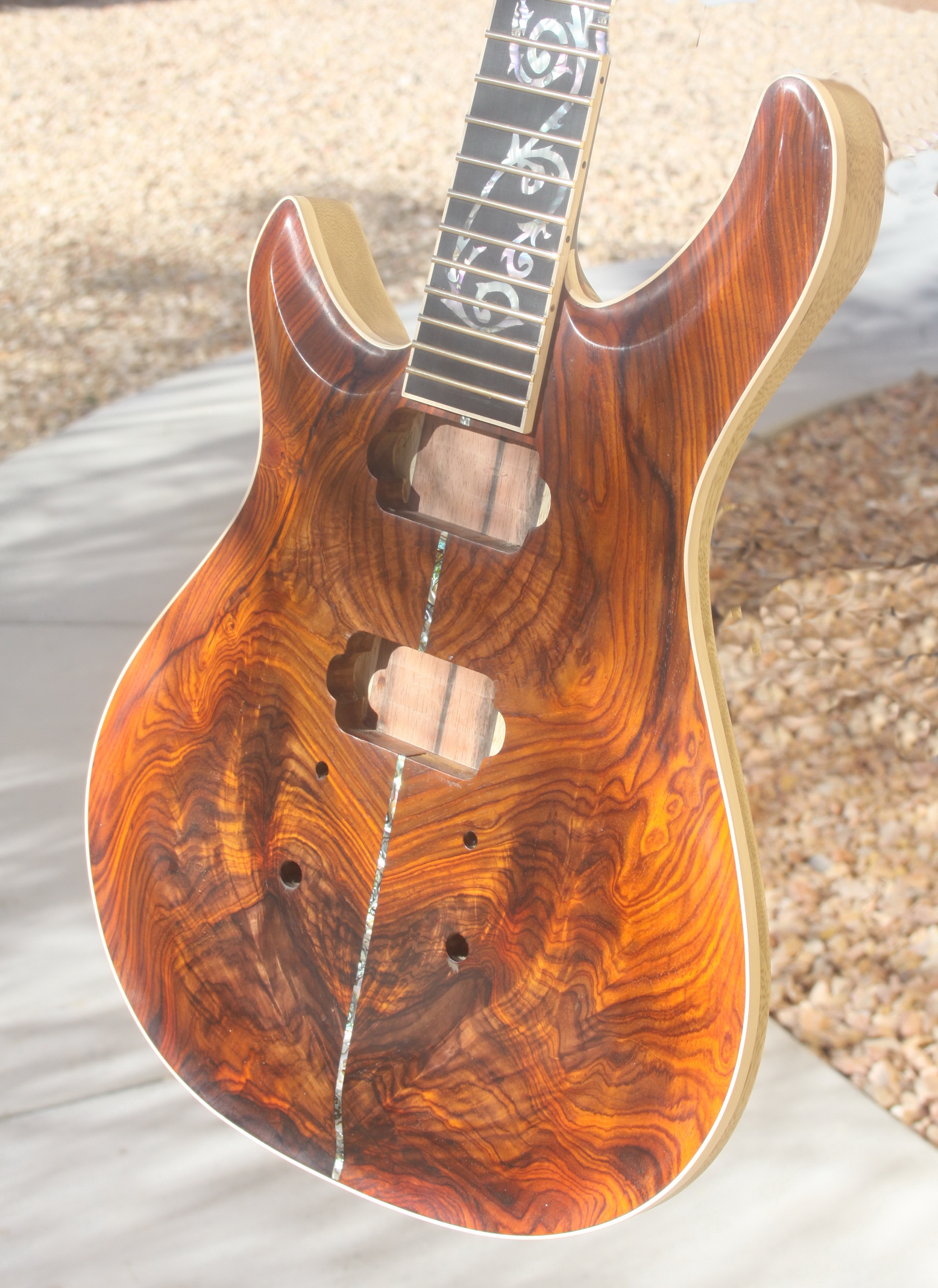
Orange Cocobolo is a beautifully colored hardwood, much like ebony, but with a lot of orange, gold, and tones of brown in it. Goncalvo is much the same but more rich browns mixed together.  
 

Source: Woodwriteltd.com, November 1998
Goncalva Alves
 

Very dense smooth texture with a waxy fast feel - no finish required. Color is tan with darker chocolate stripes (used by Smith & Wesson for pistol grips). Articulate clean warm tone. [As neck material.] 

From Central and Latin America; Colombia, Mexico, Venezuela, Bolivia, Brazil, Ecuador, Paraguay, Costa Rica, Guyana and Peru.
Color is initially reddish-brown, golden-orange or brown-beige to red, usually richly mottled with dark brown streaks and spots, becoming brown, red, dark reddish brown with nearly black stripes after prolonged exposure. Grain is irregular, straight to roey or interlocked. Irregular dark longitudinal bands produce an attractive figure. Texture is fine to medium. Can be polished and finished very easily. No grain filling is required and a clear finish has been suggested to enhance the beauty of the wood.
Common uses include billiard-cue butts, brush backs & handles, figured veneer, fine furniture, shafts/handles, sporting goods and tool handles.
Specific Gravity is .95 (very dense). Turns easily with sharp tools if straight grain. Figured pieces require care when turning.

Light and dark brown marble figure. 
 

Source: Woodwriteltd.com, November 1998
Kingwood
 

There are roughly a dozen species of true rose woods in the world. (Yes, they smell like roses when cut with a saw.) A partial list would include Tulip wood, King wood, Cocobolo, East Indian Rose wood, and Brazilian Rose wood. With the exception of the latter, these are oily to the point of being dead in the tone department. So what is the point in coveting these materials when there are sonic superiors available? The problem is that in the public mind, rose wood is cool, so it has long been over harvested. Because of this Brazilian Rose wood has been banned from importation to the United States for over twenty five years. 

From Brazil.
Color is light golden brown to violet, with irregular black to brown streaks. The grain is irregular, and a mottled figure similar to that of Rosewood is sometimes present. The texture is typically fine, and the wood can be polished and finished very easily.
Common uses included bows, cabinetmaking, carvings, construction, fine furniture, railroad ties, decorative veneer and wainscoting.
Specific Gravity is .79 (very dense). Turns easily with sharp tools if straight grain. Figured pieces require care when turning.


Source: Woodwriteltd.com, November 1998    
Koa
 

It comes from Hawaii. The good Curly Koa is very hard to get. 

This very beautiful wood comes exclusively from Hawaii and has been in short supply. Weight varies somewhat from medium to heavy, a good wood for basses. Koa has a warm sound similar to mahogany, but with a little more brightness. Like walnut, this wood may be oiled, but generally will look its best sprayed clear. Koa is sometimes available in flame figure. [As body material.] 

Dark tan to brown with reds and purples. Same weights as mahogany but more beautiful. Warm and solid tone. Sometimes available with flame figure. [As neck material.] 

From Hawaii, it is rare within its natural habitat.
Color varies from tree to tree, ranging from pale yellow or golden brown to deep chocolate, but more commonly reddish brown with light and dark bands in the growth rings and various attractive patterns, such as fiddleback and rainbow. The wavy and curly grain is moderate to severely interlocked. The texture is moderately coarse, and the surface is quite lustrous and takes a high polish.
Popular for the manufacture of musical instruments because of its high resonant properties, other common uses include canoes, decorative veneer, gun stocks, joinery, excelsior, lifeboats, and rifle stock.
Specific Gravity is .67 (dense). Requires sharp tools. 

Medium brown wood which looks like Teak. 


Korina (Limba; White)

True name is White Limba, from Africa. Used in Gibson's Original  Explorers and [Flying] V's. A light weight wood similar to mahogany. Black Limba is usually lighter weight with more interesting grain and darker color. [As body material.]

  Source: Woodwriteltd.com, November 1998
Lacewood


It is a nice wood for Laminate Bodies, with good figure.   Not particularly good sounding.

From Australia: This can be had as a book-matched top, or solid body. The size of the spots range from very small to very large, creating a very striking, reptilian appearance. [As body material.] 

From Australia
Color is pink to reddish brown, and is highly figured with a distinct small lacelike pattern. The wood is lustrous and has good polishing properties.
Uses include cabinetmaking, fixtures, moldings, parquet flooring, baskets, casks, drum sticks, fine furniture, organ pipes, pianos, sounding boards, xylophones.
Specific Gravity is .53 (medium density). Turns easily, but crumbling caused by the figure is often reported. Care is required to achieve a smooth surface.  

Mahogany
 

Mahogany is a porous, but strong wood which is easy to machine and finish. It has a spiraling and interlocking grain pattern which makes it a very stable wood. Honduran Mahogany is the favorite choice of instrument builders, but is very hard to find. African and Spanish mahoganies are often used as a replacement for Honduran Mahogany.  

Light to moderately heavy wood with smooth attack and rich singing sustain [when used as body material]. When it's very heavy, the wood losses the warm round attributes. The Quicksilver is a classic example of a mahogany body capped with a maple top.  At least on the lower cost models.

Source: Woodwriteltd.com, November 1998
Mahogany; Curly
 

From Africa
Color is yellow to reddish-brown. Grain is interlocked with a stripe or roey figure. Texture is typically medium to coarse, with a natural luster The timber is reported to polish to yield and excellent finish. African mahogany is reported to take stains well.
Uses include boat building, cabinetmaking, decorative veneer, furniture.
Specific Gravity is .44 (medium density). Requires sharp tools. 


Mahogany; Honduran

Fender uses the Honduran variety on their set-neck series [as body material]; provides a moderate to heavy weight (body weight at least 5 lb.) with a warm, full sound and good sustain; used in conjunction with a maple top to add brightness.

Swietenia macrophylla, from the Family Meliaceae it grows from Southern Mexico southward to Colombia, Venezuela, and parts of the upper Amazon and its tributaries in Peru, Bolivia, and Brazil. Plantations have been established within its natural range and elsewhere. Honduran Mahogany is reddish, pinkish, salmon colored, or yellowish when fresh; deepening with age to deep rich red or brown. Texture rather fine to coarse; grain straight to roey, wavy, or curly, often with an attractive figure. Basic specific gravity 0.40 to 0.68 averaging around 0.60. The wood can be air-seasoned and kiln-dried easily without appreciable warping or checking. Movement after manufacture is rated as small. Very easy to work with hand and machine tools, Easy to finish and takes an excellent polish.
Long used in fine furniture and cabinet making, interior trim, paneling, fancy veneers, boat building, pattern making, turnery, and carving. Often called the queen of woods because of its working properties. It is the most common timber used in acoustic guitars for their sides, backs, and necks. Medium weight and resonant, we use this timber for out body wings.  

Nice and lightweight, this wood is good for bodies, laminates and necks. 

We use Honduran Mahogany, the wood LPs are made of. This is a fine wood with good musical properties, the tone is warm and full with good sustain. Weight-wise, mahogany is mid to heavy with a Strat body averaging 5 lbs. or more. The grain is easy to fill although not particularly good looking for clear finishes.


Maple
 

Source: Woodwriteltd.com, November 1998
Mesquite
 

Mesquite is a member of the Legume family, Prosopis Glandulosa, and produces bean pods yearly. It grows only in four southwestern states in the U.S. and in Mexico. Mesquite is a heavy wood (Specific Gravity > .8) with a unique quality. All woods shrink to some degree with changes in their moisture content. Most woods will shrink more across the grain than along the grain. This can lead to warpage if the forces are not equal or the grain of the piece is not consistent. Mesquite shrinks equally in all directions, meaning it is extremely stable and warp resistant.


Source: Woodwriteltd.com, November 1998
Pau Ferro
 

  (Morado, Rosewood; Bolivian)

South American Hardwood, combines rosewoods warm tone with Ebony's smooth feel. 

Also known as Bolivian Rosewood or Morado. It is heavy, brownish-orange wood with dark black stripes.

Most of the material that begot the perception of quality in the rose wood family is now long gone old growth trees, so perhaps it's time to reevaluate our preferences. By the way, the publics desire for rose woods has also motivated manufactures to fib from time to time. Pau Ferro is not a rose wood, but is easily passed off as one. Bubinga is passed off as Chinese Rose wood even though it is not of the rose wood genus

Primarily available as fingerboards. Medium brown color, very smooth fine grain, warmer tone than ebony.

Maple neck with Pau Ferro fingerboard:] Quarter sawn Pau Ferro has the good properties of ebony but seems to be more reliable and stable. Pau Ferro is a tight grained hard wood with excellent clarity on the "chunk" tones when using gain, especially when teamed up with an alder body. In overdrive mode it has a fatter low end and more pronounced sparkle when compared to maple. It adds excellent definition to the notes especially when using overdriven tones. Strong in the lower mids and bass, scooped mids.

From Africa; Congo, Ivory Coast, Zaire, Gabon, Angola, Cameroon, Equatorial Guine, and Nigeria.
The heartwood is pink, yellow, or dark brown in color and is often striped with red-brown bands. The grain is usually wavy or interlocked. The wood is rather coarse-textured. Polishing characteristics are rated as good.
Common uses include carvings, musical instruments, decorative veneer, fine furniture, and sounding boards.
Specific Gravity is .82 (very dense). Responds well to turning.

  Source: Warmoth.com, December 1999
Poplar
 

Poplar is similar to Maple in color and weight. The difference is in the size of the pores.

Same as Basswood, as far as its application is concerned, and in the same price range. 

This is another standard music wood having been used by many companies over the years. Due to the grey/green color, this wood is used only when solid color finishes are to be applied. It's weight generally runs about half a pound more than alder. Tonally it is much similar to alder as well. Poplar is a closed grain wood that accepts finish well. [

Weight: 30
Grain: straight, sometimes with a slight wave.
Figure: heartwood has a greenish tint, sapwood is an even light yellow with an occasional streak of darker color.
Texture: moderately fine and uniform with a close tough texture.
Properties: easy to work and suitable for carving. Capable of a smooth surface but a non-lustrous finish. Stable and fairly strong.
Use: hull timbering and framing, deck beams and deck framing.


Rosewood; Bolivian (Pau Ferro, Morado)

[no further information available yet]


Rosewood; Bois de Rose
(Rosewood; Madagascar)

When you do order a Rosewood neck from Ed Roman, We always use this instead of the cheap East Indian Rosewood that costs pennies per fingerboard.  It is a little more expensive than East Indian, but a lot more rare;  Even though it costs a little more it's only a fraction of what Ebony costs. It grows only in Madagascar. 

Rich color, red brown with interesting patterns to sometimes almost black. Madagascar seems to have a wide frequency response brilliant highs and punchy lows. A tight grained rosewood similar to Brazilian Rosewood. Good with darker sounding body woods and humbucker settings. Strong upper midrange and presence. 
 

Source: Woodwriteltd.com, November 1998  
Rosewood; Brazilian
 

There are roughly a dozen species of true rose woods in the world. (Yes, they smell like roses when cut with a saw.) A partial list would include Tulip wood, King wood, Cocobolo, East Indian Rose wood, and Brazilian Rose wood. With the exception of the latter, these are oily to the point of being dead in the tone department. So what is the point in coveting these materials when there are sonic superiors available? The problem is that in the public mind, rose wood is cool, so it has long been over harvested. Because of this Brazilian Rose wood has been banned from importation to the United States for over twenty five years. 

"Beautiful" wood. There are a wide range of colors and grain. [As body material:] Book-matched tops only. Very limited supply. We also have some necks with Brazilian rosewood fingerboards. 

We always have Brazilian Rosewood Available for fingerboards . Very oily multicolored wood,  This wood will not take the smooth finish that the Macassar Ebony we offer.

From Brazil.
Varies in color from shades of brown to red or violet, and is irregularly streaked with black. The grain is typically straight, occasionally wavy. Texture is medium to coarse and of medium luster.
Common uses include cabinetmaking, fine furniture, marquetry, pianos, tool handles, drum sticks, organ pipes, sounding boards, umbrella handles, wainscoting, and xylophones.
Specific Gravity is .85 (very dense).

Dark red, violet and black streaks. 


Rosewood; East Indian 

It is preferred for musical instruments because it costs very little and somehow it has gained a wide acceptance. Be careful of the  Indonesian Plantation Rosewood, which happens to be the same species, but with different color and much wider grain. The grain will be uncomfortable on your fingers and you will commonly find it on your basic Wal Mart guitars.

There are roughly a dozen species of true rose woods in the world. (Yes, they smell like roses when cut with a saw.) A partial list would include Tulip wood, King wood, Cocobolo, East Indian Rose wood, and Brazilian Rose wood. With the exception of the latter, these are oily to the point of being dead in the tone department. So what is the point in coveting these materials when there are sonic superiors available? The problem is that in the public mind, rose wood is cool, so it has long been over harvested. Because of this Brazilian Rose wood has been banned from importation to the United States for over twenty five years.   

Source: Woodwriteltd.com, November 1998
Rosewood; Honduran
 
From Belize.
Generally believed to be fairly scarce. Color is pink to purple brown with darker and lighter bands in attractive combinations. The grain is typically straight and the texture is medium to fine with a low to medium luster.
Common uses include cabinetmaking, marquetry, tool handles, drum sticks, fine furniture, handles, organ pipes, piano keys, pianos and xylophones.
Specific Gravity is .96 (very dense). Has excellent turning qualities. 

Spruce; Sitka

It used to be very easily available, at reasonable prices. This is not the case anymore. )

Weight: 32
Grain: straight.
Figure: is a creamy white with a pink tint. The grain pattern appears as narrow lines.
Texture: the wood is soft with a moderately fine to medium texture.
Properties: a tough strong wood, stable in use. When cut, the surface tends to be a bit fuzzy, but careful sanding will bring the surface to a smooth finish. The wood works well with both hand and power tools, sands easily.
Use: use for masting and spars. The wood can also be used for heavy timbering, bulkheads, structural members and framing. 


    Source: Woodwriteltd.com, November 1998
Tulipwood
 

 This picture is an exceptionally nice piece of tulipwood, Don't expect it too always look like this

There are roughly a dozen species of true rose woods in the world. (Yes, they smell like roses when cut with a saw.) A partial list would include Tulip wood, King wood, Cocobolo, East Indian Rose wood, and Brazilian Rose wood. With the exception of the latter, these are oily to the point of being dead in the tone department. So what is the point in coveting these materials when there are sonic superiors available? The problem is that in the public mind, rose wood is cool, so it has long been over harvested. Because of this Brazilian Rose wood has been banned from importation to the United States for over twenty five years. 

Tulipwood has shades of red, pink, and yellow in it and is hard like ebony.  

From Central and Latin America; Brazil, Colombia, Guyana and Venezuela.
Straw colored background with irregular streaks of shades of yellow rose, pink and violet. Grain is straight to roey, texture is fine, and wood is highly lustrous with excellent polishing qualities.
Common uses included brush handles, cabinetmaking, flooring, furniture, inlay work, marquetry, and veneer.
Specific Gravity is .96 (very dense). Requires sharp tools.  

Very light cream color with bright thin streaks of pink or sometimes with a few colored streaks. 

Wenge

A black hard wood with chocolate brown stripes. Very hard, coarser textured wood with open grain. Good midrange tone with warm lows.  Recommended for Bass Guitars

Basswood

Several [Fender] Japanese reissue models use Basswood [as body material]. Produces a light (body wt less than 4 lb.) guitar though some people find the sound to be too "dark". Basswood is a very soft wood and cannot handle a lot of abuse

Ideal for loud high gain tones [when used as body material]. The sound is smooth, without many sharp edges. Attack is moderate and sustain is round and even.  

For a solid color guitar it is one of the better woods. It is used by many well known large manufacturers. It comes from Northern U.S.A. and Canada. 

This is a lighter weight wood offering Strat bodies usually under 4 lbs. The color is white, but often has nasty green mineral streaks in it. This is a closed-grain wood, but can absorb a lot of finish. This is not a wood for clear finishes, and it is quite soft, not good for much abuse. Sound wise, Basswood has a nice, warm tone. 

Strong Midrange, balanced tone and light weight. Light color and almost no grain patterns Basswood is best suited for solid colors or is excellent as a backing wood for a maple top. 

Hit Counter

sitemap